How I design and build with AI coding agents
Agents write most of the code. I make the product decisions and check every screen by hand. What that looks like across four products
· 3 min read · Nikita Miezhenski
I take a business process or a product idea and turn it into a working prototype that users can test; one core flow takes about two weeks. AI coding agents write most of the code. I make the product decisions and check every screen by hand. This note is what that means in practice, across the products on this site.
What the agents built
The nutritionist’s site: React, Vite and Tailwind CSS on the front end, Node.js with Fastify and SQLite on the back end, PostHog for analytics. Atrium: FastAPI, Socket.IO, SQLite and LiveKit on the server; React, HeroUI and Electron on the client, with Claude Code agents doing the building. Sequence: React, TypeScript and Framer Motion in the plugin; Node.js, Fastify, canvas and ffmpeg on the render server. In each, the code is mostly the agents’ and the decisions are mine.
What I decide
On Atrium, the agents built a messenger with glass panels on 15 October and Discord’s layout by 18 October, both in hours. The difference between the two versions is design decisions: what to keep from Discord, what to drop, what to add. The friends wanted chats where chats usually are, and the only original idea that survived was the circles that show who is in which room.
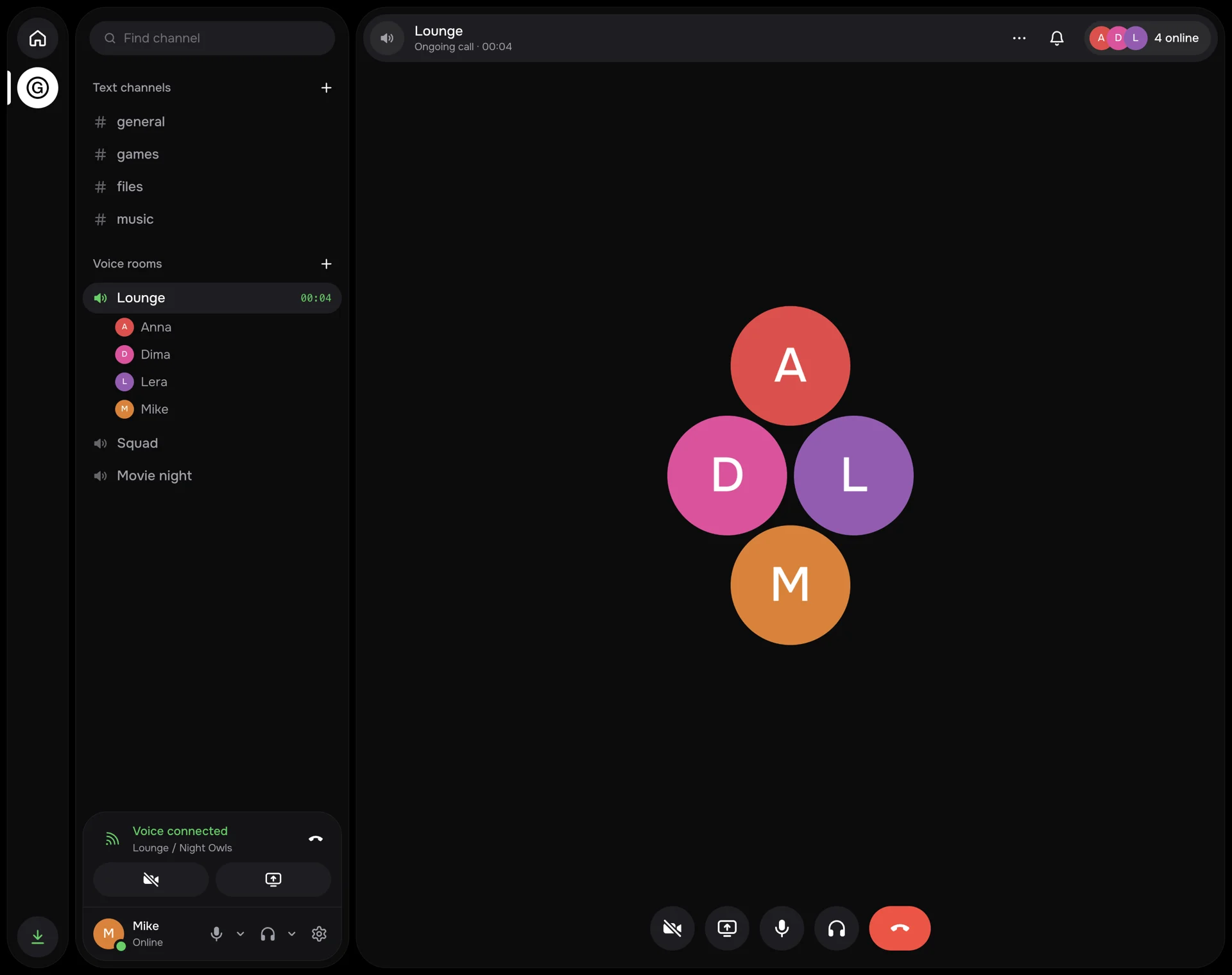
On the nutrition site, the decision was the order: result first, phone number second, and a single path from the problem to a free call. On Sequence, it was which level of the Figma layer tree to animate. None of those came from the agent. An agent will produce whichever version you ask for.
Agents will happily produce another month of features; the scarce skill is deciding, on data, that they shouldn’t.
What I check by hand
Every screen, on a phone and on a desktop. Every event in the analytics: on the nutrition site PostHog records section views, the quiz start and every answer, the result, the contact screen, the messenger choice and whether the form went through, and I read all of them. That is how I found six people pressing Send 21 times with nothing arriving, a bug no screenshot would have shown. Health data gets its own checks: consent before the form sends anything, analytics off until cookies are accepted, encryption in the database, a one-time code on the admin panel.
What cheap building changes
When building gets cheap, stopping gets expensive. Atrium cost a week to build and thirteen interviews, two days, to close. The interviews belonged before the week, not after. Sequence worked end to end, and I closed it on a headline. The nutrition site keeps going because its numbers come from real visitors and I change one thing a month.
So the order I work in now: analytics and interviews first, so the argument comes from users; then the one core flow, built in about two weeks and shipped in a branch your developer reviews; then a test with new users whose sessions you can watch. The agents make the middle part fast. The first and last parts are where the product is decided.